The old Fig Tree

In honor of my youngest daughter Anna’s birth, I planted a fig tree.
The fig tree is now over twenty feet tall. There are black figs way up there at the top, but you cannot climb up to get them because the tree’s branches are still too spindly. Picking the low-lying figs this late fall morning, the memory of being in the great Fig Tree on the Stanislaus came flooding back.
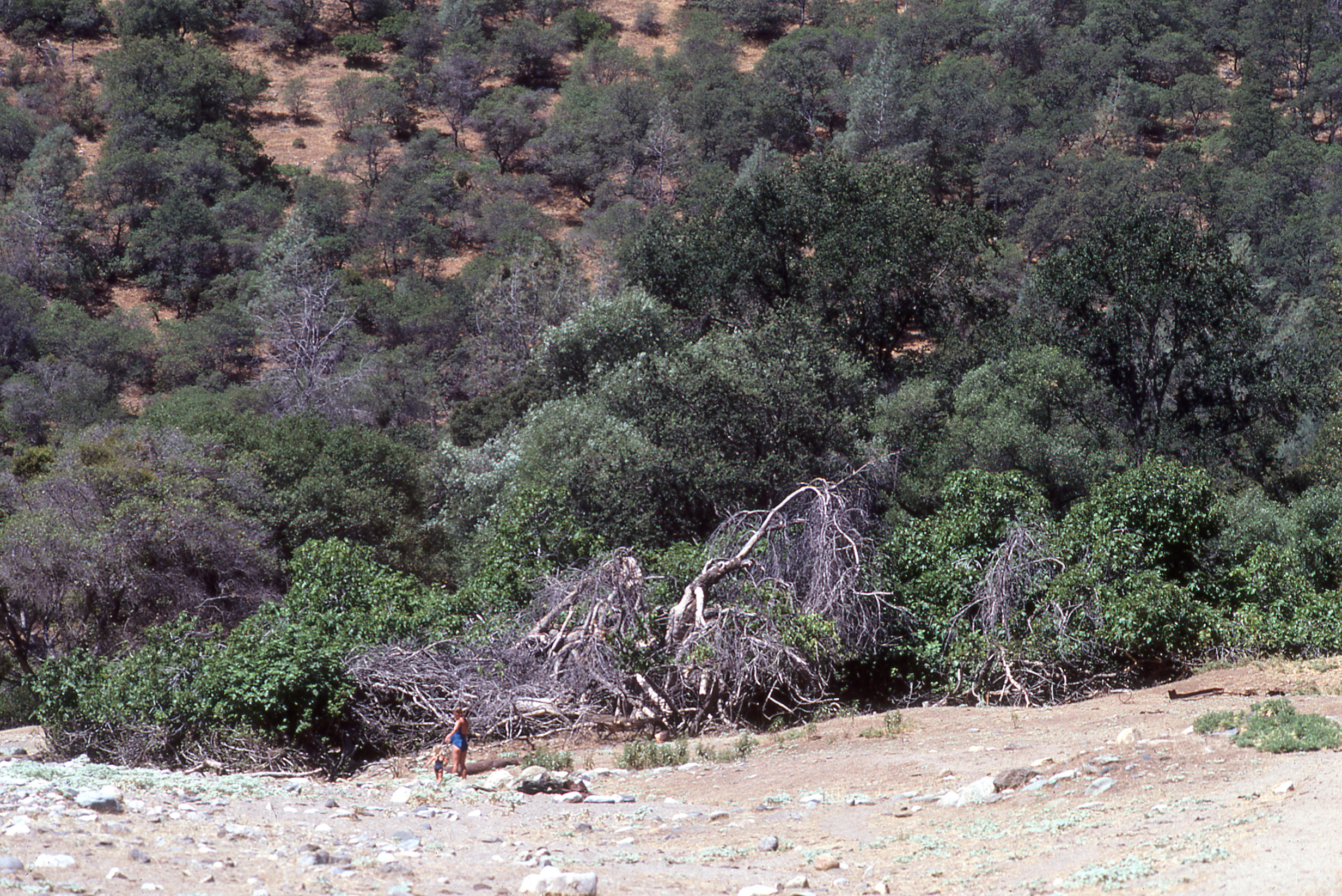
That huge Fig Tree was my favorite lunch spot those summers I worked on the Stanislaus River. The place where it grew was called Duck Bar, there on river right. The tree was huge, some branches thicker than two men, spreading out vast along the rocky banks of the river. It had good water to drink all year long, so close to the river, deep roots, and plenty of sun. I remember the sting of its sap against my bare arms and legs as I climbed up and up. It was planted by Chinese workers during the Gold Rush, over a hundred years ago.
Figs bear their fruit in the spring and fall, fall being the big crop. That Fig Tree bore enough fruit to supply many families.
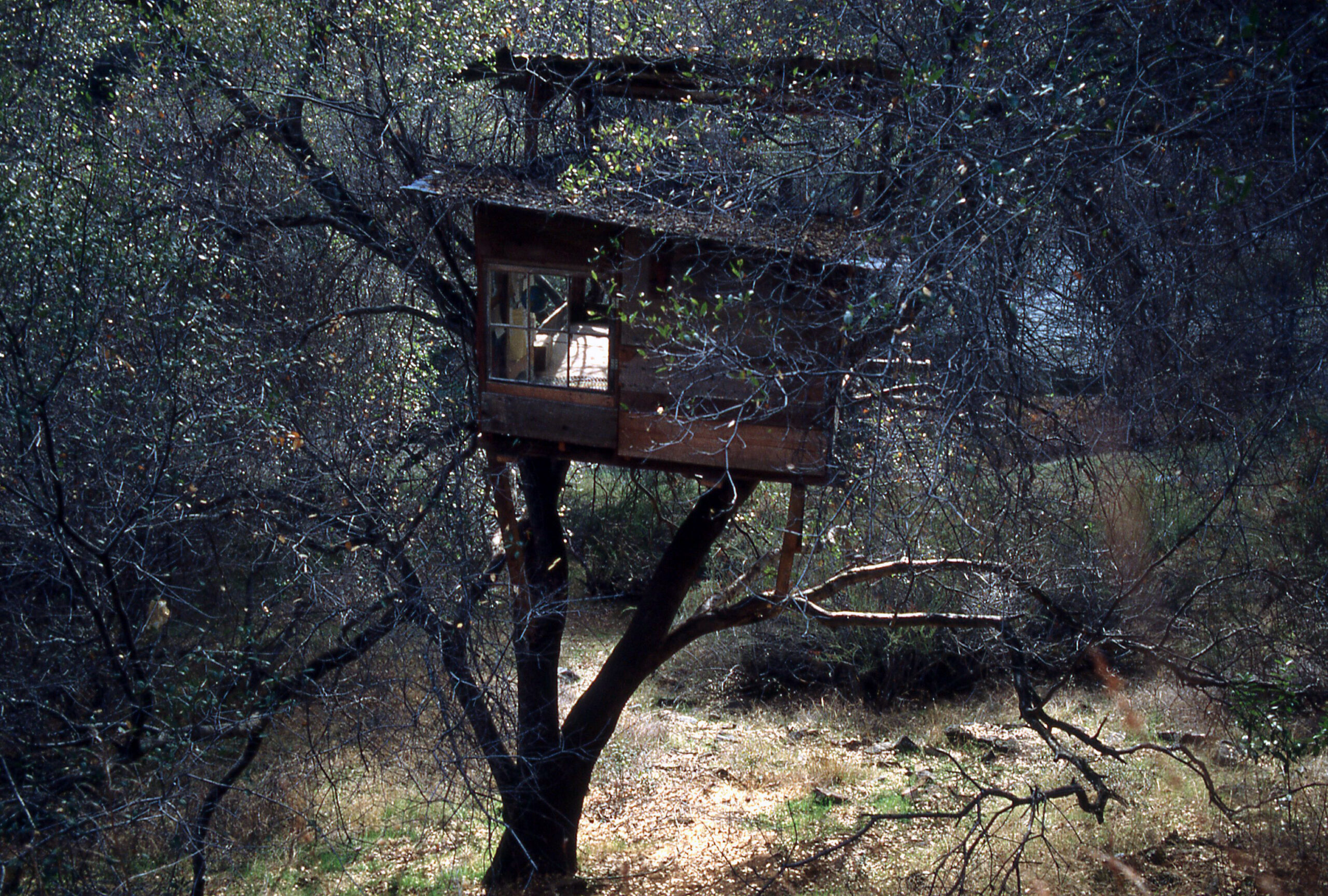
My friend Gar Dubois dried figs all fall and then stored them in large mason jars hidden in a storage area in the floor of his nearby tree house. No one else lived along that section of canyon. The only way in to his place was floating down the river, or walking over Table Mountain. Gar had brought the materials to build his house in by raft. He built it in a tree within a thicket of medium sized trees, about thirty feet up. Gar’s tree was hidden a bit away from the river, as the canyon started its climb away from the river, at the lower end of Chinese Camp. The Fig Tree at Duck Bar was three-quarters of a mile upstream.
Gar would walk in to his place barefoot. It was about a three mile walk, with no trails, and Table Mountain was littered with volcanic rock, varying in size from pebbles to cars. Gar and I had a mutual admiration club. I learned from Gar how to walk seriously barefoot. Walking in country with volcanic rock in bare feet, you go slow and you watch every step. You spend a lot of time looking at the ground.
I remember walking up on Table Mountain with Stu Smith, a geologist. I had bare feet. Stu had heavy boots. He was a geologist, and stoned, and would wander about in that moonscape staring up at the sky. He would stumble into those rocks, kicking them with his boots, and think nothing of it! I remember the feel of righteous judgmental indignation rising up in me like a black poison at the sheer gall of a person callous enough to go bumbling around up there in that serious spiritual landscape so inattentive to their own feet, so mindless that they could repeatedly kick rocks, and not even blink! And I remember more than a little bit of hidden jealousy and envy for Stu’s boots! Gar and I always carried a roll of duct tap with us so we could make “little houses for the toes” after inadvertently kicking those sharp rocks
When Gar showed me how to walk in to his place, he carefully pointed out signposts along the way. “Between those two Digger pines, see that rock shaped like a head? With the Toyon Berry right in front? That’s where we start dropping down into the canyon.”
One day in winter, I walked to Gar’s treehouse by myself. It had snowed the night before. My feet were cold and sore when I climbed up into his tree house. He had a fire going in his woodstove and I quickly warmed up. After chatting for a while, Gar opened up the trapdoor built into the floor of his tiny house. He reached down pulled up some mason jars. Some jars were full of figs, others with raisins and walnuts. We ate fig after fig, leaving little nubbins from the stems.
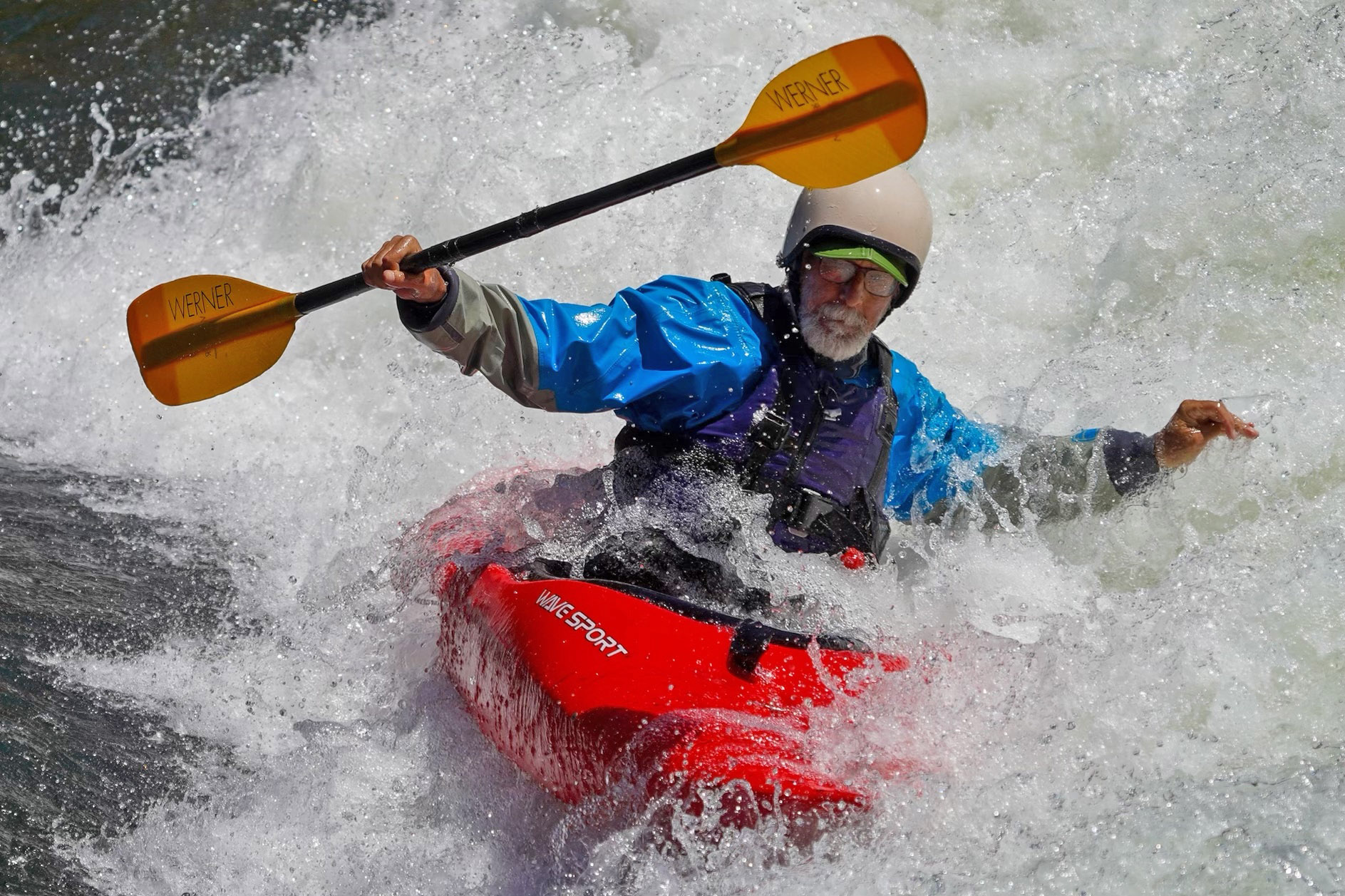
Gar had a reputation as a top-notch rafter. He had spent years rowing on the Grand Canyon. In his first year guiding raft trips, on the Middle Fork of the Salmon in Idaho, an oar snagged a rock and slammed him in the face, knocking out his two front teeth. As a result, he spoke with a kind of whistle.
One afternoon, while working trips in the Grand Canyon, years before, Gar had been walking up a side canyon by himself, away from camp. “Something exploded in my chest. I felt this huge sadness, a darkness inside. I felt so alone and in so much pain. I cried and cried, curled up in a ball on the trail. I thought my heart was going to break. I called out for God, or anything.” Gar whistled out this story of his spiritual nadir, of how this bottom had turned him into a hermit and a spiritual seeker. “I need to know what happened to me.”
Gar lived a bit in the shadow of his older brother Mark, then at the center of the campaign to stop the dam on the Stanislaus. “What good am I, living here? I should be doing something like my brother, trying to save this place!” I told Gar that snowy day: “You are making the river even more worth saving, by living here, by witnessing it day-to-day”.
I believed that his example of simple living next to the river might help people know what this river was really like, and help us all see the need for the work ahead. There is a misguided ethos among many environmentalists that humans do not belong in the wilderness. To the contrary, we need people living in the wilderness, relearning or reminding us how to do so in harmony.
A few years from that winter afternoon Mark would chain himself to a rock as the waters behind the New Melones Dam rose to drown the canyon in the Spring melt. Mark offered his body to stop the insane murder of the Stanislaus canyon. Mark stayed in the canyon a week, at the water’s edge, and so delayed the filling of the dam for a year.
Gar’s tree house is now under water. So is the Fig Tree. The shouts of joy coming from commercial raft passengers floating down the Stan no longer ring off the canyon walls. The songs of the cliff swallows on the limestone canyons are gone.
Picking figs this morning, thinking of that old Fig Tree, I wonder and am amazed at the foresight of those Chinese Coolies. As a young man, working the river, I had imagined a kind of Utopian colony of Chinese, hiding out, living for generations down by the river.
This morning, in my 50s, I realize they must have been down there in the Canyon only a few years, towards the end of the Gold Rush, virtual slave labor, forced to dig rock out of rock, rock out of river, in the feverish search for gold. One of them planted a fig. He or she tended the tiny tree for its first few years, a reminder of gracious bounty to come, a sprig of hope amidst days of grueling work. Then the colony was gone.
The Fig Tree made it on its own, grew huge, and blessed passers-bys on the river in the late summer with its fruit and its shade. And now the Fig Tree is drowned, drowned through the work of more men moving rocks about, this time not in search of gold, but still for money: the money to be made from building dams and in so doing drowning 18 miles of a living river canyon.
Learn more about the old Fig Tree at Duck Bar on the Stanislaus River, and get cuttings from the old Fig Tree.